ROB RUN trade point Guide for Safer Cashouts
Turn heist loot into cash at a ROB RUN trade point. Compare city sales, base safes, notoriety, and cop risk in Looty Bay.
A clean getaway is only half the job in Looty Bay. The cash does not count until you convert it, and that is where a ROB RUN trade point decides whether a heist was profit or a very expensive drive. If you sit on a trunk full of valuables, every patrol and rival crew is a reason to finish the sale.
A ROB RUN trade point is not a single marked stall with public coordinates. It is the cash-out — a mid-city contraband sale, or a safe hauled home to open where you control the doors. The official ROB RUN gameplay overview on Steam describes an extraction shooter whose real goal is money, not a single backpack extract.
Gear, keys, and deeds show up in the same piles, but hard cash and valuables you can sell are the prize the loop is built around. Until the mask goes on, you are not treated as a Criminal, so the block can be walked, the target checked, and the exit sketched in relative safety. Put the sale on that sketch. A trunk with no buyer is just a slower way to lose.
How a ROB RUN trade point fits the heist
Looty Bay is the main robbery setting in the pre-playtest notes, and its targets scale with prep. Corner stores and jewelry shops can be short work. Bank vaults and police armories are a different appetite. The same address can pay pocket change or a serious score depending on gear, keys, and how much scouting you did before the mask.
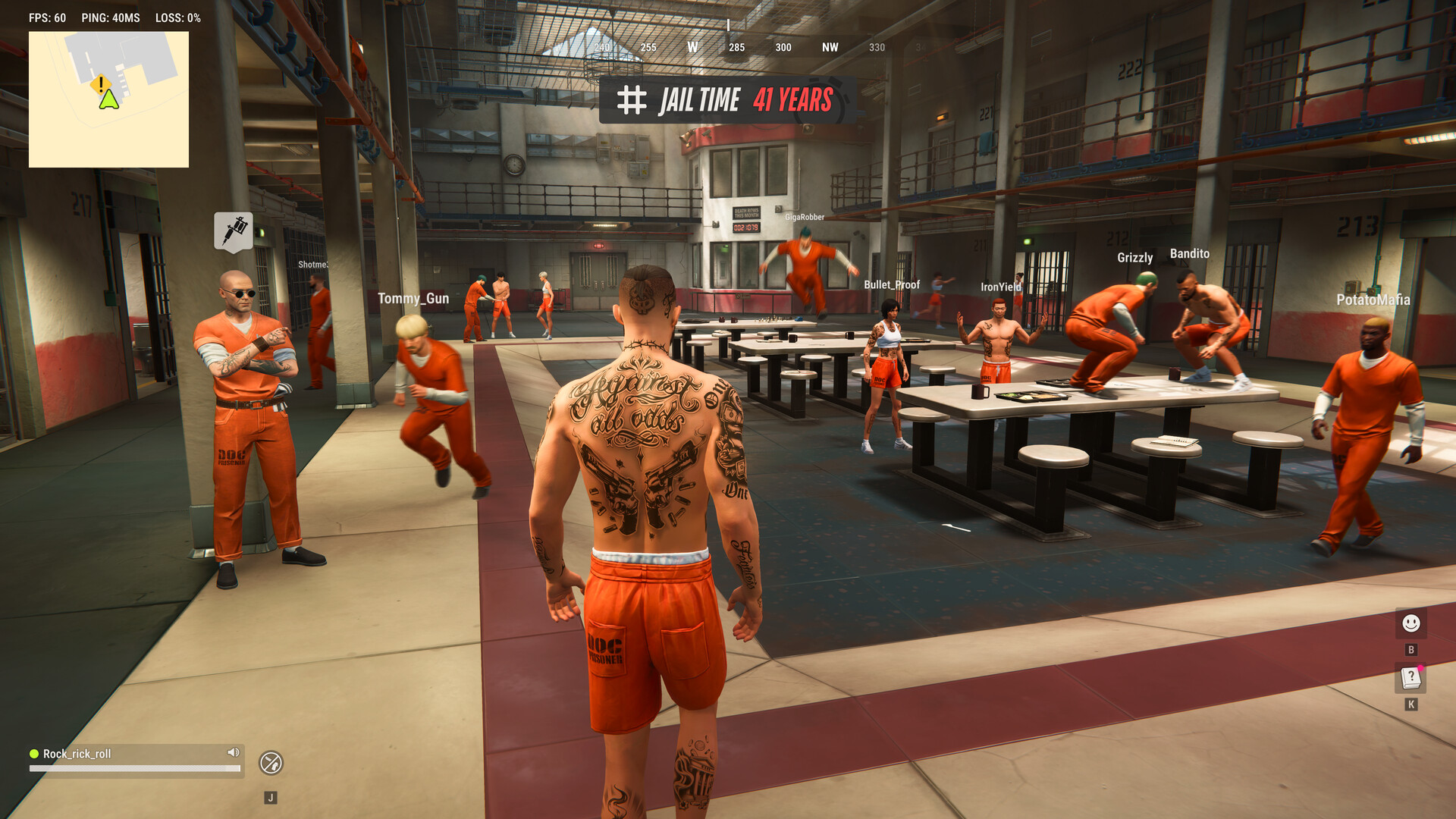
Official screenshot · Source: Steam store
Some sites are built for a quiet clear: disable the alarms and intimidate the staff. Quiet is not the same as safe. Another Criminal can pick that exact window to hit the room, and a patrol can roll through with no pattern you can memorize. Build the cash-out before you touch the register. "Drive until it feels calm" is not a route.
The overview keeps returning to two habits. Some players sell contraband in the middle of the city. Others steal safes and cut them open at base. Those habits are the practical split behind any ROB RUN trade point you will actually use. Loose bills can skip a buyer. Mods, room keys, blueprints, and land deeds often should not be sold at all.
| Cash-out style | What you move | Where it finishes | Main upside | Main risk |
|---|---|---|---|---|
| In-city sale | Valuables buyers want now | A busy block while you are still hot | Faster money, shorter exposure | Rivals and patrols already share that street |
| Safe haul | Intact safes and bulky cargo | Hideout, opened later | You pick the time and the locks | The drive is a moving target |
| Hard cash | Bills that are already liquid | Pocket, stash, or base safe | No negotiation | Still gone if the bag is seized |
| Hold for later | Mods, keys, blueprints, deeds | Bench and lockup | Unlocks better jobs | Dead weight if you needed cash tonight |
Use the street sale when the goods are compact and one more car blends into a busy block. Use the hideout when the prize is a safe you cannot crack on the curb, or when standing still to haggle is the dangerous part. Leaving the haul in the trunk "until later," with no backup street, only gives everyone else time to hear about you.
Sort the loot before you pick a buyer
Almost anything can sit in a pile. Published notes list gear, vehicle keys, weapon mods, keys to locked rooms, structure blueprints, and land deeds, plus cash and valuables. Selling every icon is how a crew goes broke slowly. Some drops are the next heist. Some are the only reason this one was worth masking up.
| Loot | Role in the loop | Lean toward | Common mistake |
|---|---|---|---|
| Hard cash | Direct progress | Stash or extract now | Flashing it while still masked |
| Valuables | Sale goods | Nearest workable buyer | A long detour for a tiny bump |
| Safes | Delayed cash | Base, then cut | Cracking them in the open |
| Mods and gear | Combat power | Keep if it beats your kit | Selling the piece tomorrow's job needs |
| Room keys | Access | Save for the door | Vendoring a key you have not identified |
| Blueprints and deeds | Base growth | Lock them up | Dropping them in a stash you cannot guard |
| Vehicle keys | Better cars | Swap up when the car is usable | Leaving the key in a seizable bag |
Equipped gear and bag loot are not one pile when police catch you. Surrender is an option, and the overview says officers then take what is in the bag and leave equipped gear on you. A deed in the bag is a donation. A tool you already slotted is not. Before you roll, move irreplaceable pieces onto your person and keep sale stock in the bag or the car on purpose.
Those pages are a developer overview and early coverage, not a tested price sheet. No fixed vendor rates are published there. If a teammate quotes a precise payout, treat it as player experience from that server this week, not a permanent rule. Buyers, patrols, and ambush corners will move because both sides are human.
Notoriety and the moment you should stop
The longer a spree runs in Looty Bay, the higher Notoriety climbs. Higher Notoriety is tied to better loot and higher payout rates, and the risk climbs with it. A late sale pays more for the same reason it is harder to finish. Do not let a fatter payout talk you out of the ROB RUN trade point you already planned.
You do not need invented percentages. The bands below are a planning aid, not hidden UI data.
| Heat | What the spree feels like | Cash-out bias | Stop rule |
|---|---|---|---|
| Cold | Just masked, few witnesses | City or base both work | Do not upgrade the target mid-run |
| Warm | An alarm, a chase, or a second site | Prefer the nearer buyer | No extra shop "on the way" |
| Hot | Payouts feel fatter, attention is up | Shortest sale, then leave | Bank the win; do not chain a vault |
| Hunted | Rivals and patrols on your route | Abort if the street is camped | Surrender or ditch the bag before the kit goes too |
If this would be your third score and the first two are still unsold, you are collecting stories, not money. Convert the goods, swap cars if you have the keys, and decide whether the mask comes off. You also do not need the best aim. The overview is clear that routing and driving can beat cops or rivals who outgun you. A sale is mostly a driving problem. If the plan needs a straight fight against a larger crew, rewrite the plan.
Surrender is the dull button that protects equipped kit. Use it when the bag is replaceable cash and the gear on your body took real time. Do not count on it when the bag holds the deed, the room key, and the mod your next job needs. Those should already be equipped or locked away.
Cars, routes, and who sits where
Everyone starts in a cheap rental. Better cars come later, and they are tools, not cosmetics. Cargo jobs depend on them: safes have to move, and a buyer is rarely on your curb. A slow car turns a short sale into a public event. Pick early jobs the rental can actually finish. The car is part of the ROB RUN trade point plan, not a reward you unlock after the economy is solved.
Scout before the mask. Name one sale street, one backup, and one way home that does not reuse the same bridge. Player officers do not run a loop you can memorize, and rival crews do not either. A clean road yesterday can be a roadblock this afternoon because two groups decided the intersection was theirs.
| Seat | Job on the sale | How it fails |
|---|---|---|
| Driver | Speed, route swaps, the actual stop | Chases a patrol and misses the buyer |
| Bag | Sale goods only, kept apart from keys | Mixes deeds into the seizure pile |
| Lookout | Calls masks and patrols before the stop | Goes silent to loot a side room |
| Base contact | Opens the hideout if the city sale dies | Leaves the garage blocked or the bench unbuilt |
Solo players can still cash out. Collapse four seats into one person and cut the haul until that is honest. Sandbox coverage argues you can survive alone and still struggle to shape a server run by crews. For a single sale, small and finished beats a convoy you cannot staff.
Hideouts are refuge and target at the same time. Workbenches craft and repair. Safes hold valuables. Vehicles are mobile assets. A lavish garage full of unsold cargo is a sale spot you accidentally built for raiders. If you cannot guard it, it is not stored. Early write-ups also treat clans as the groups that steer crowded servers: roles, raids, territory, truces, and betrayals. Share a sale street only with people who lose something if your bag disappears.
Player police and the other side of the sale
Cops are players. The overview's setup is a short-staffed department that hires widely, issues standard gear and a basic car, and lets officers turn in Police Badges for stronger kits. Their living comes from a cut of confiscated goods, from arrests, and from bribes that let a suspect walk — all inside the game. They do not stake personal equipment the way criminals do, and their ceiling is lower because the paycheck is taken out of seizures.
| Side | What they risk | How they get paid | What it means for your sale |
|---|---|---|---|
| Criminal | Gear, car, hideout, and the haul | Cash, sold goods, kept keys and deeds | Speed beats a fair fight |
| Officer | Less personal kit while on shift | Seizure cuts, arrests, in-game bribes | They are paid to interrupt the buyer |
| Rival crew | Their own heat and gear | The same loot pool | Your sale street is their ambush |
You cannot farm a scripted cop path. Switching streets, backing off, or using the game's own negotiation options fits a social layer where open fights are expensive. This is a description of a multiplayer crime sandbox, not a real-world tactic. If an officer is sitting on the only buyer you know, a second buyer or a base run is usually the win.
Territory makes the same problem louder. Coverage of the mode describes guilds and crime families taking ground that feeds resources and also invites raids. Trust is the scarce currency. An escort who learns the route can protect one drop and rob the next. Some of that coverage also pitches servers on the order of thousands of players, so assume the street is never empty just because you do not see a nameplate yet.
Resets, seasons, and a cash-out checklist
Sandbox articles add a clock: a short cycle, described as about a week, to climb from small-time runner to the head of a large crew, then a wipe that clears the board. A given playtest may not ship that exact timer, so treat the weekly reset as a published hook rather than a promise in every build. The lesson still holds. Unsold goods are not a pension. A safe full of valuables at reset is a story, not a balance.
- Early: rental car, small shops, two sale areas, and a habit of keeping keys.
- Mid-cycle: one better vehicle, one planned safe haul, benches actually online.
- Late: hotter jobs only after the previous score is already converted.
- Final stretch: stop hoarding what you will not use. A finished sale beats a pretty stash.
| Before you drive | Ready? |
|---|---|
| Scouting is done and the mask goes on only for the job | Yes / no |
| Sale goods are split from keys, deeds, and mods | Yes / no |
| Primary street and one backup are named out loud | Yes / no |
| The car can carry this cargo | Yes / no |
| Hideout door and bench are ready if the city sale fails | Yes / no |
| Everyone knows who drives and who watches | Yes / no |
| You know whether this bag is worth surrendering over | Yes / no |
| You are not starting a new heist before this one pays | Yes / no |
If two of those are still no, you are not ready for a ROB RUN trade point run. Shrink the target. The mode is built so one mistake can strip gear, cars, and hideouts, and so a failed job can start a revenge spiral you did not budget. Assume the sale spot will not stay quiet. Precision is the payout increase that does not depend on Notoriety.
Bank jobs, rival-base raids, chases, and shootouts are the daily noise in the write-ups. The players who stay solvent can say, before they leave, where the goods stop being evidence and start being money.
FAQ
What is a ROB RUN trade point?
It is the cash-out in Looty Bay: selling contraband in the city, or opening hauled safes at a hideout. Current public notes do not list one official pin or a fixed price card. Bring a primary spot, a backup, and a hard split between goods for sale and tools you cannot afford to lose.
Should you sell in the city or open safes at base?
Sell in the city when the goods are ready and the drive is short. Take safes home when they need to be cut and you can survive the trip. The Steam overview describes both habits, and neither one removes rival crews or a patrol that happens to pass.
Does notoriety change your payout?
Yes, in the direction the developer notes state. A longer spree raises Notoriety, and higher Notoriety is linked to better loot and higher payout rates, with matching risk. That is a reason to bank the win, not a reason to start another vault while the bag is still full.
What do police take if they catch you before the sale?
If you surrender, the described result is a confiscated bag and intact equipped gear. Those officers are players. As written, they earn from seizures, arrests, and bribes, and they spend Police Badges on better kits. Move irreplaceable keys onto your character before you ever stop for a buyer.
Related Guides
ROB RUN bank robberies: Heist and Loot Guide
Learn how ROB RUN bank robberies work, from masks and crew roles to selling loot, storing cash, and managing Notoriety in Looty Bay.
ROB RUN loot: Stash, Heists, and Wipe Survival
Where ROB RUN loot goes after a heist: Looty Bay masks, Lenny's cash, raidable bases, and how wipes reset the climb.
ROB RUN raids on rivals' hideouts: full guide
Learn how ROB RUN raids on rivals' hideouts work, from decoders and timing to crew roles, loot priority, and base defense before the wipe.
ROB RUN first look: Gameplay, Release and PC Guide
Our ROB RUN first look covers its crime sandbox, clans, server wipes, November 2026 release plans, PC requirements, and playtest access.
ROB RUN closed alpha: playtest, date, and what we know
ROB RUN is still unreleased. See the Steam playtest, November 2026 Early Access plans, PC specs, and what closed alpha clips leave unconfirmed.